Free CompTIA Project+ PK0-005 Actual Exam Questions
Dumps Box (DumpsBox) offers up-to-date practice exam questions for Project+ PK0-005 certification exam which are developed and validated by CompTIA subject domain experts certified in CompTIA Project+ PK0-005 . These practice questions are update regularly as we keep an eye on any recent changes in Project+ PK0-005 syllabus, and when there is update our team quickly adjusts the questions. This commitment to providing the best quality exam prep material to certification aspirants is what makes DumpsBox.com the best certification exam prep website. On top of that, our strong, yet strictly moderated, community based feedback keeps the content clean and current. Each question has helpful community discussion that provides it extra perspective and introduces helpful resources for better exam preparation. This also saves students from other outdated practice questions or illicit exam dumps that can have adverse affects on career. Browse through our CompTIA Project+ PK0-005 exam questions and pass your exam on first try.
SIMULATION During a gate review meeting, the deliverable was rejected by the customer. INSTRUCTIONS Review the dashboard. • Part 1: Drag and drop each task, placing them in the correct order based on the project change control process. • Part 2: Select the proper document(s) to be updated. If at any time you would like to bring back the initial state of the simulation, please click the Reset All button.

The order starts with identifying the change, then impact assessment, approval, and finally updating relevant documents.
I’d say the key is to do the impact assessment first to understand the change’s effect, then get formal approval. Only after approval should you update the change request and any related docs like the project plan.
I agree with C because CMS is primarily about enabling collaboration on content, not just storing or archiving documents like D suggests. A and B seem off since they focus on workflows or messaging rather than content creation and publishing. The key point is that CMS supports multiple contributors working together on shared content, whether on the web or in internal systems.
C. It’s all about letting multiple users collaborate on content creation and updates, not just storing or archiving files. That’s the key distinction from D.
results. Which of the following documents should the project manager consult?
Maybe D. The solution design shows the actual deliverable in detail, so if stakeholders disagree about what was achieved, checking the design can clarify if the finished product matches what was promised. It’s a good way to compare reality against expectations. While the charter sets objectives, the design reveals what was built or delivered, which might highlight gaps or misunderstandings that caused the disagreement.
B. The project charter clearly states the project objectives and expected outcomes, so it’s the best place to confirm what was originally agreed upon before judging if results were met.
It’s B for me too. The SLA’s main job is to define how fast they’ll handle problems, not to list out the issues or focus on costs directly. The work breakdown stuff is more project management, not SLA.
It’s B for me too. Resolution time is really the heartbeat of an SLA—it's all about how quickly problems get fixed to keep the service running smoothly. The issue list might be documented somewhere, but it’s more of a project or support artifact, not part of the formal SLA. Work breakdown structure and cost optimization are definitely outside the scope of SLAs, which focus on service commitments rather than planning or cost-cutting.
the company. The project manager notices that more stakeholders will be positively impacted than
negatively impacted. Which of the following actions should the project manager take?
I think listing both positive and negative stakeholders (A) makes the most sense first. You want a full picture before deciding how to communicate or manage expectations. Ignoring anyone just because they’re positively impacted could cause you to miss opportunities for support, and only listing negatives (C) might make the project seem riskier than it really is. Wouldn’t you need the complete list before you can effectively update the communication plan (B)? So isn’t A really the foundational step here?
C imo. It’s important to focus on negatively impacted stakeholders first since they might cause issues or resist the project. Listing only positives (D) or all (A) without prioritizing risks feels less practical.
new product. The teams are recording their opinions, which may be used to define the final product
that is sent to mass production. Which of the following best describes this technique?
Option D, it matches the idea of gathering targeted opinions from multiple groups.
B imo, a workshop often involves structured sessions with teams working together to generate ideas or solve problems, which could fit if they’re actively discussing the product rather than just giving feedback.
following environments contains this application?
It’s B because only Production handles a live app with real client usage.
It’s B because the app being highly utilized means it’s already running live, which only happens in Production, not in Development or QA environments.
to provide details about the next steps. Which of the following needs to be revised?
D. If the sponsor found out about issues but can’t say what the next steps are, it sounds like the communication plan isn’t working right. It should clearly define who shares what info and when, so everyone’s on the same page about actions to take. The dashboard might have the data, but if it’s not reaching or being understood by the sponsor due to gaps in communication channels or timing, just fixing the dashboard won’t help.
I see it as more of a communication plan issue (D). If the sponsor is unaware of next steps, it means the info flow isn’t properly defined or followed. The risk register (C) tracks potential problems but doesn’t guide follow-up actions to the sponsor, so less likely. The communication plan should specify how and when updates, including next steps, reach key people.
project and thanks team members. Which of the following is the project manager doing?
D, the announcement is clearly about recognition and celebration, not other project closure tasks.
Makes sense to celebrate publicly after a big win, so definitely D here. It’s more about recognition than collecting feedback or lessons, which come later. D
addressed and the correct participants attend?
C imo. Sending out minutes from the last meeting can remind everyone what was discussed and what still needs to be tackled, making sure the call stays on track. It also helps confirm if the right people should be there based on past discussions. A feels too late before the call, and B is helpful but doesn’t guarantee the right attendees like a clear recap might. D assumes scheduling isn’t done yet, but that’s not clear here.
B imo. Even if scheduling's done, sending out an agenda makes sure everyone knows what’s up and can prepare or join if their input’s needed. A and C feel more like follow-ups after the meeting, and D’s important but might already be sorted before this stage.
Maybe D, since lessons learned sessions are more about recording both successes and failures, not just listing mistakes or evaluating performance like B suggests.
C imo, because the goal isn’t just to blame or report mistakes but to make sure they’re recognized and avoided in the future, which is a key part of learning from experience.
related to a previous project, which no one else on the project team is aware of. Which of the
following best describes what was needed to address this concern?
This one feels like it’s about making sure important info isn’t lost just because it was only in a chat. So archival (C) seems key—if that chat wasn’t saved or stored somewhere official, the team can’t access it later. Lessons learned (D) is more about reviewing and improving after the project, but here it’s about preserving knowledge as it happens. Integrity (A) and Security (B) don’t quite fit since the issue isn’t about trustworthiness or protecting info, but about keeping it available. So C makes the most sense to me.
C/D? Since the info came from a chat, if it wasn’t properly saved or documented, archival (C) seems needed to keep records accessible. But if the point is more about capturing and sharing valuable insights from the project, lessons learned (D) could fit better. Security (B) feels off because it’s not about protecting info from outsiders but about internal access or sharing. Integrity (A) is more about data accuracy, which doesn’t quite match here. So it’s really between keeping records safe (C) or making sure knowledge is shared and applied (D).
the downtime after the scheduled window. Which of the following should be added to the issue log?
Maybe C here. Since the executive is upset about extended downtime, making sure customer notification is tracked seems key to improving communication next time. The issue log should reflect that gap.
If the downtime extended unexpectedly, wouldn’t adding the rollback plan to the issue log help prevent future delays by ensuring a clear fallback? Just tracking notifications might miss the technical root cause.
During the project execution phase, Ann, a project manager, received an email from the project
sponsor asking for an additional work package to be added to the project scope due to new
legislation.
INSTRUCTIONS
Review the email with the latest updates sent by the project sponsor and respond in
the following order:
1. Select the best tool for tracking the server migration progress.
2. Select the new critical path.
3. Select the correct number of engineers required for the server migration phase.
If at any time you would like to bring back the initial state of the simulation, please click
the Reset All button.
Select the Appropriate Tool:
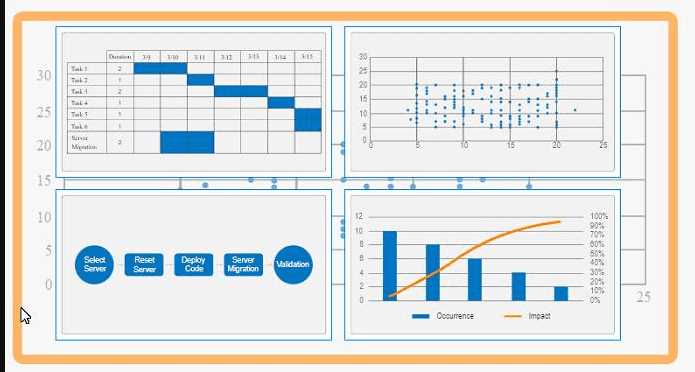
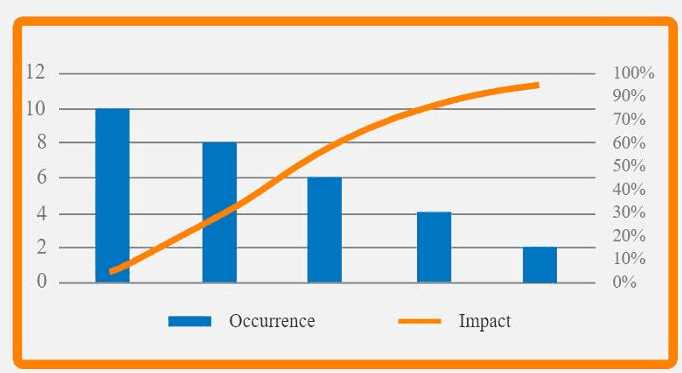
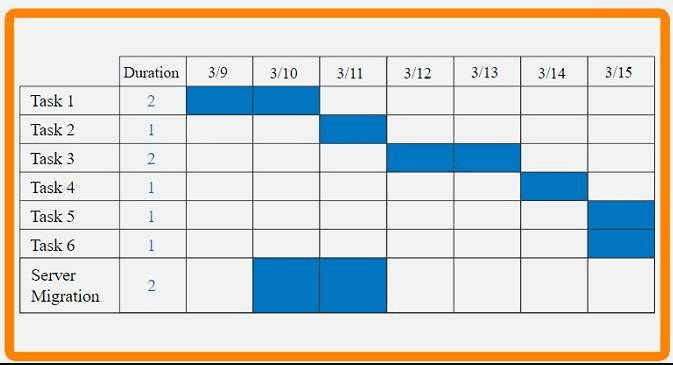
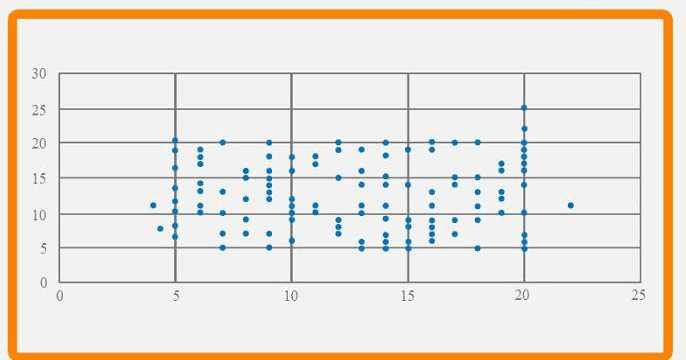
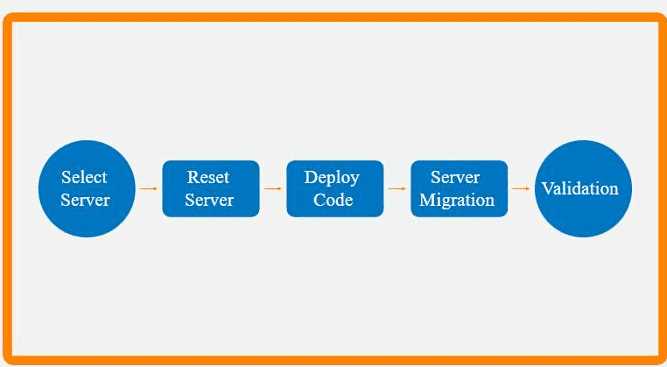
Select the new critical path.
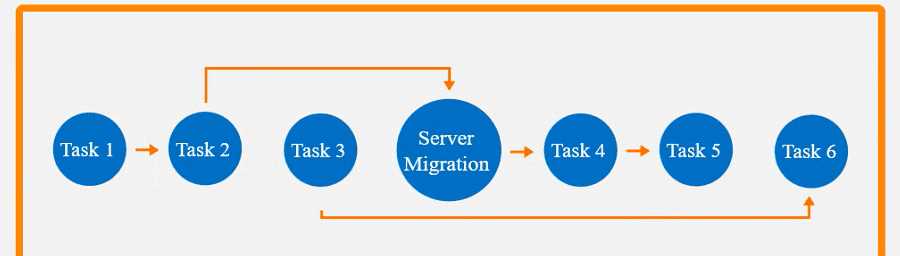
Option A
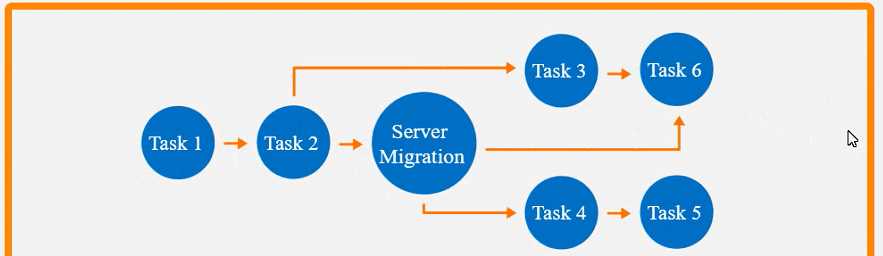
Option B
Option C
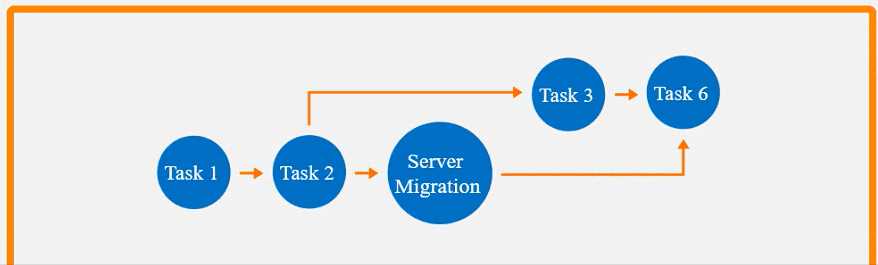
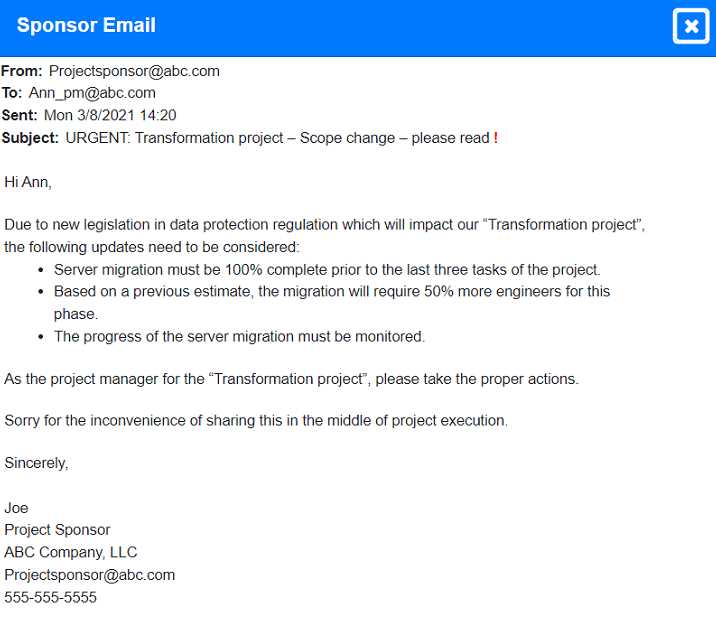
Tool D definitely covers all the new tasks, so it's the best for tracking progress. Option B stands out as the new critical path given its length. Looks like the engineers needed stay consistent at 5.
Tool D shows all updates; critical path B looks the longest with new work.
following describes these types of activities?
I agree it’s likely C, since milestones mark important points without time attached. D doesn’t fit because a work breakdown structure is about hierarchy, not activity duration. Could the question be tricking us with terminology?
Not A, critical paths are the longest sequence of activities, so they definitely have duration. Milestones (C) make more sense since they're markers with no time assigned.