Free COMPTIA Cloud+ CV0-004 Actual Exam Questions - Question 11 Discussion
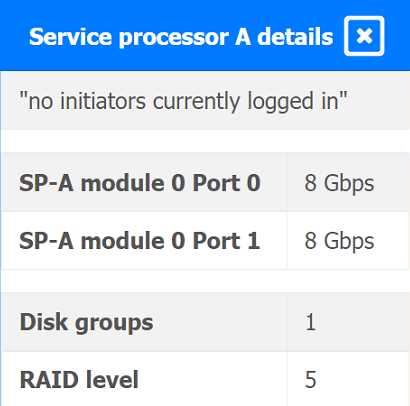
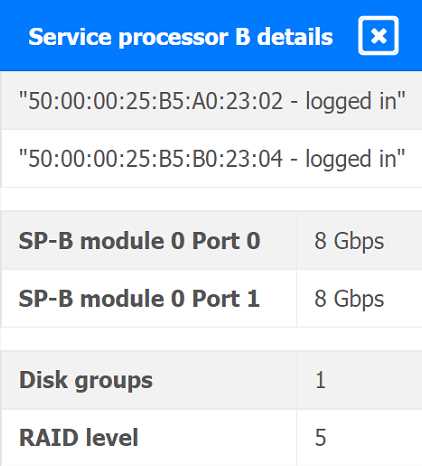
You are a cloud engineer working for a cloud service provider that is responsible for an IaaS offering. Your customer, who creates VMs and manages virtual storage, has noticed I/O bandwidth issues and low IOPS (under 9000). Your manager wants you to verify the proper storage configuration as dictated by your service level agreement (SLA). The SLA specifies: . Each SFP on the hypervisor host must be set to the maximum link speed allowed by the SAN array. . All SAN array disk groups must be configured in a RAID 5. . The SAN array must be fully configured for redundant fabric paths. . IOPS should not fall below 14000 INSTRUCTIONS Click on each service processor to review the displayed information. Then click on the drop-down menus to change the settings of each device as necessary to conform to the SLA requirements. 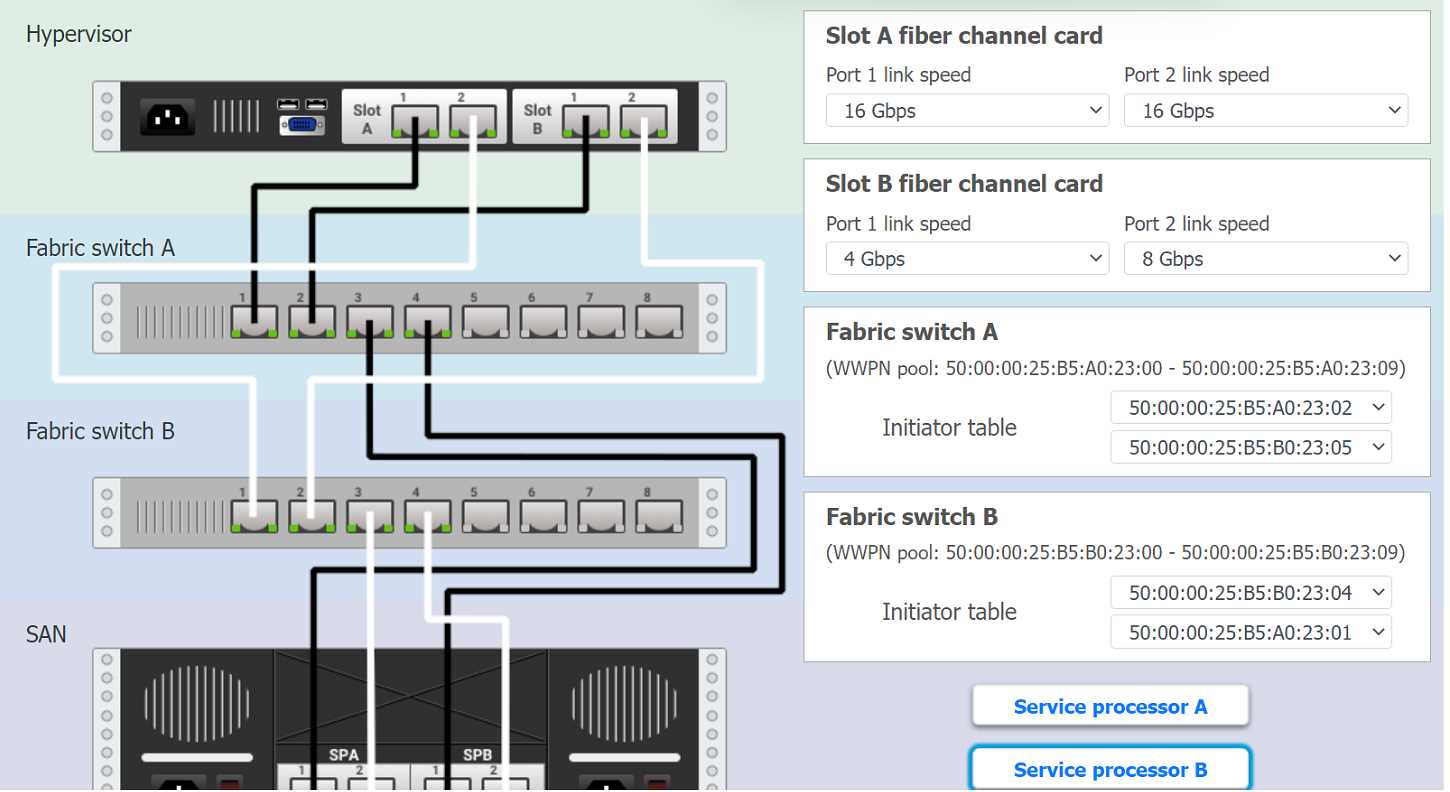
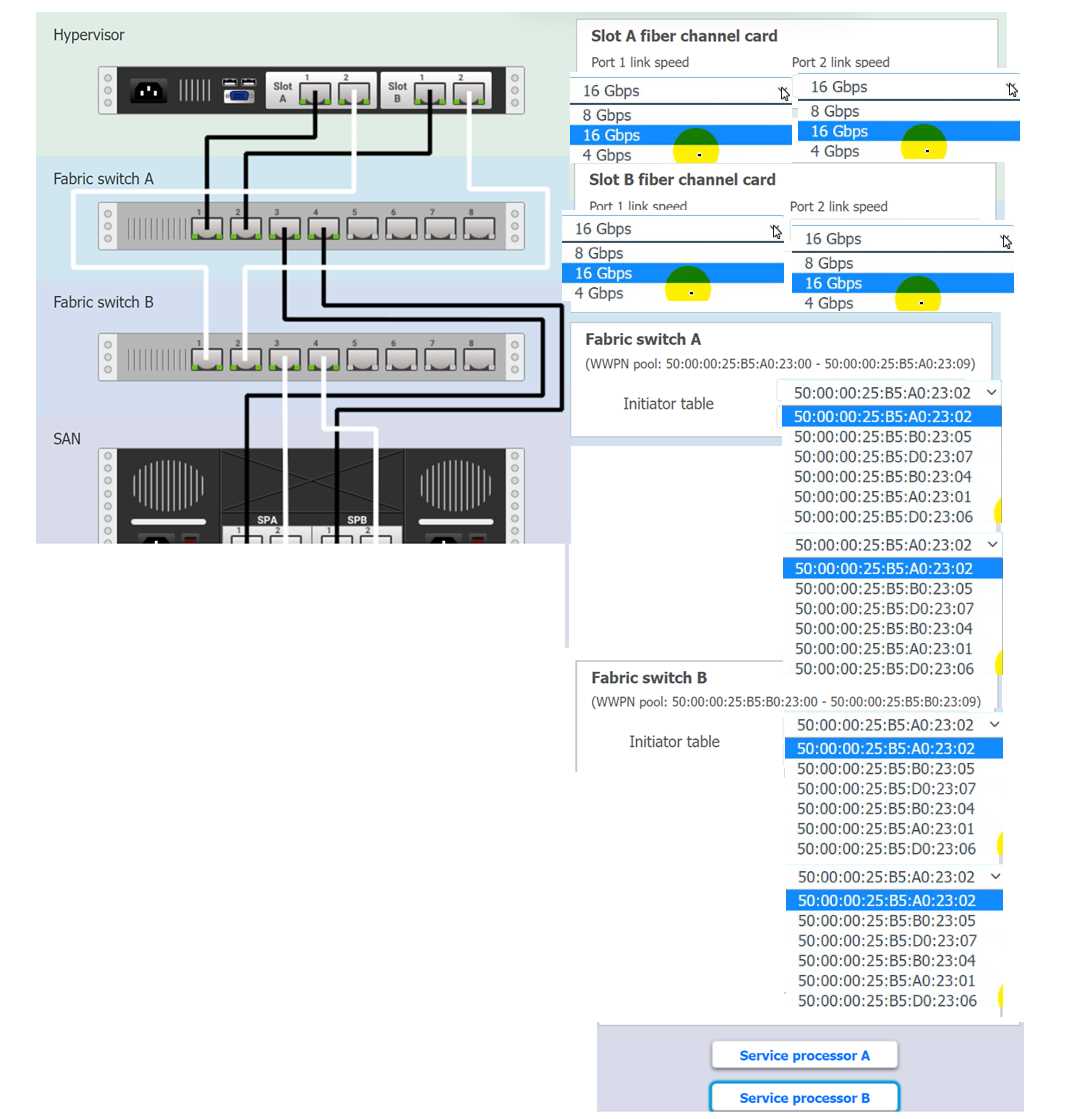
Option D also matches the max link speed and RAID 5 requirement, plus redundant paths. It might be a better fit since it doesn’t ignore the RAID 5 rule like C does, even if IOPS are a bit lower.
I think option C is best because it hits the max link speed and has redundant fabric paths, which the SLA demands. RAID 5 in B would definitely drag down the IOPS below the 14,000 target.
C looks right since max link speed and redundancy are key, RAID 5 hurts IOPS.
C fits because redundant fabric paths are crucial, so B’s RAID 5 is out.
B is a trap since RAID 5 is slower for writes, might drop IOPS below SLA.