Home/mulesoft/Free MCPA-Level-1 Actual Exam Questions
Free MCPA-Level-1 Actual Exam Questions
The questions for this exam were last updated on January 7, 2026
Dumps Box (DumpsBox) offers up-to-date practice exam questions for MCPA-Level-1 certification exam which are developed and validated by Mulesoft subject domain experts certified in MCPA-Level-1 . These practice questions are update regularly as we keep an eye on any recent changes in MCPA-Level-1 syllabus, and when there is update our team quickly adjusts the questions. This commitment to providing the best quality exam prep material to certification aspirants is what makes DumpsBox.com the best certification exam prep website. On top of that, our strong, yet strictly moderated, community based feedback keeps the content clean and current. Each question has helpful community discussion that provides it extra perspective and introduces helpful resources for better exam preparation. This also saves students from other outdated practice questions or illicit exam dumps that can have adverse affects on career. Browse through our MCPA-Level-1 exam questions and pass your exam on first try.
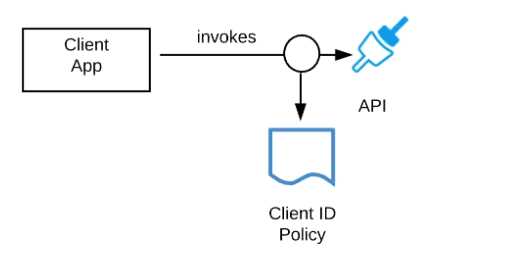
Refer to the exhibit. A developer is building a client application to invoke an API deployed to the STAGING environment that is governed by a client ID enforcement policy. What is required to successfully invoke the API?
Select one option, then reveal solution.
Question No. 2
What is true about the technology architecture of Anypoint VPCs?
Select one option, then reveal solution.
Question No. 3
A new upstream API Is being designed to offer an SLA of 500 ms median and 800 ms maximum (99th percentile) response time. The corresponding API implementation needs to sequentially invoke 3 downstream APIs of very similar complexity. The first of these downstream APIs offers the following SLA for its response time: median: 100 ms, 80th percentile: 500 ms, 95th percentile: 1000 ms. If possible, how can a timeout be set in the upstream API for the invocation of the first downstream API to meet the new upstream API's desired SLA?
Select one option, then reveal solution.
Question No. 4
An organization makes a strategic decision to move towards an IT operating model that emphasizes consumption of reusable IT assets using modern APIs (as defined by MuleSoft). What best describes each modern API in relation to this new IT operating model?
Select one option, then reveal solution.
Question No. 5
What is true about automating interactions with Anypoint Platform using tools such as Anypoint Platform REST APIs, Anypoint CU, or the Mule Maven plugin?
Select one option, then reveal solution.
Question No. 6
An organization is deploying their new implementation of the OrderStatus System API to multiple workers in CloudHub. This API fronts the organization's on-premises Order Management System, which is accessed by the API implementation over an IPsec tunnel. What type of error typically does NOT result in a service outage of the OrderStatus System API?
Select one option, then reveal solution.
Question No. 7
How can the application of a rate limiting API policy be accurately reflected in the RAML definition of an API?
Select one option, then reveal solution.
Question No. 8
The implementation of a Process API must change. What is a valid approach that minimizes the impact of this change on API clients?
Select one option, then reveal solution.
Question No. 9
An organization has implemented a Customer Address API to retrieve customer address information. This API has been deployed to multiple environments and has been configured to enforce client IDs everywhere. A developer is writing a client application to allow a user to update their address. The developer has found the Customer Address API in Anypoint Exchange and wants to use it in their client application. What step of gaining access to the API can be performed automatically by Anypoint Platform?
Select one option, then reveal solution.
Question No. 10
In an organization, the InfoSec team is investigating Anypoint Platform related data traffic. From where does most of the data available to Anypoint Platform for monitoring and alerting originate?
Select one option, then reveal solution.
Question No. 11
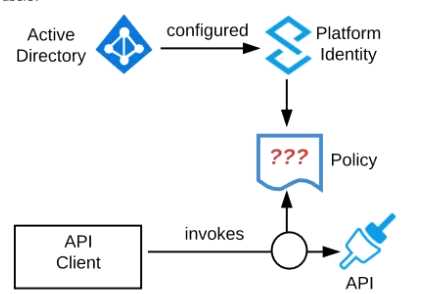
Refer to the exhibit. An organization is running a Mule standalone runtime and has configured Active Directory as the Anypoint Platform external Identity Provider. The organization does not have budget for other system components. What policy should be applied to all instances of APIs in the organization to most effecuvelyKestrict access to a specific group of internal users?
Select one option, then reveal solution.
Question No. 12
What is a typical result of using a fine-grained rather than a coarse-grained API deployment model to implement a given business process?
Select one option, then reveal solution.
Question No. 13
What Mule application deployment scenario requires using Anypoint Platform Private Cloud Edition or Anypoint Platform for Pivotal Cloud Foundry?
Select one option, then reveal solution.
Question No. 14
An API implementation is deployed on a single worker on CloudHub and invoked by external API clients (outside of CloudHub). How can an alert be set up that is guaranteed to trigger AS SOON AS that API implementation stops responding to API invocations?
Select one option, then reveal solution.
Question No. 15
What API policy would LEAST likely be applied to a Process API?