Free HP HPE6-A84 Actual Exam Questions
Dumps Box (DumpsBox) offers up-to-date practice exam questions for HPE6-A84 certification exam which are developed and validated by HP subject domain experts certified in HP HPE6-A84 . These practice questions are update regularly as we keep an eye on any recent changes in HPE6-A84 syllabus, and when there is update our team quickly adjusts the questions. This commitment to providing the best quality exam prep material to certification aspirants is what makes DumpsBox.com the best certification exam prep website. On top of that, our strong, yet strictly moderated, community based feedback keeps the content clean and current. Each question has helpful community discussion that provides it extra perspective and introduces helpful resources for better exam preparation. This also saves students from other outdated practice questions or illicit exam dumps that can have adverse affects on career. Browse through our HP HPE6-A84 exam questions and pass your exam on first try.
For which reason would you set the Fail Strategy to Bypass?
A customer needs you to configure Aruba ClearPass Policy Manager (CPPM) to authenticate domain users on domain computers. Domain users, domain computers, and domain controllers receive certificates from a Windows CA. CPPM should validate these certificates and verify that the users and computers have accounts in Windows AD. The customer requires encryption for all communications between CPPM and the domain controllers. You have imported the root certificate for the Windows CA to the ClearPass CA Trust list.
Which usages should you add to it based on these requirements?
Refer to the scenario. # Introduction to the customer You are helping a company add Aruba ClearPass to their network, which uses Aruba network infrastructure devices. The company currently has a Windows domain and Windows C A. The Window CA issues certificates to domain computers, domain users, and servers such as domain controllers. An example of a certificate issued by the Windows CA is shown here. 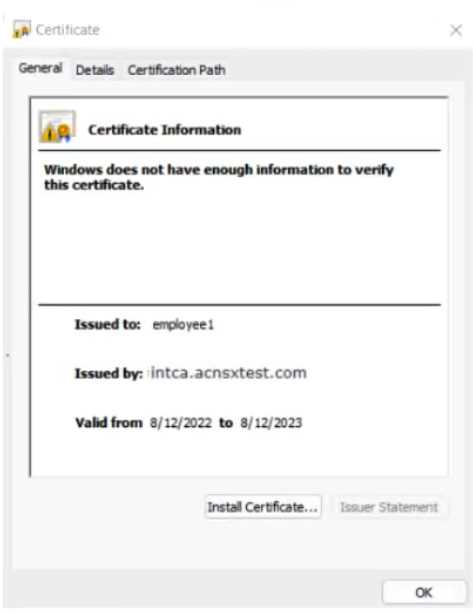
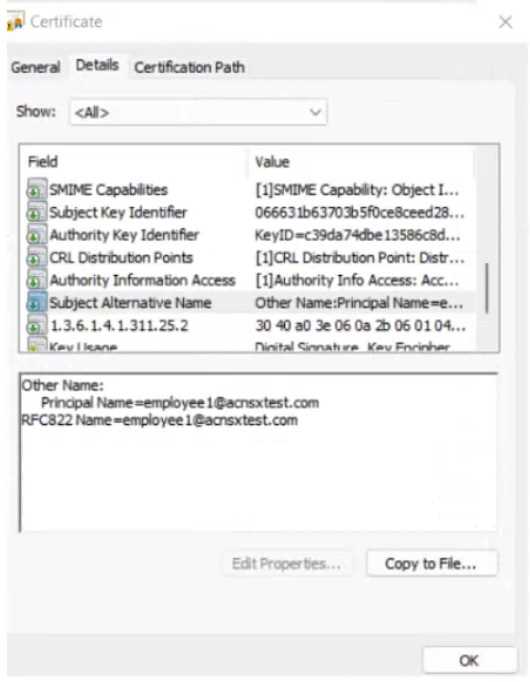 The company is in the process of adding Microsoft Endpoint Manager (Intune) to manage its mobile clients. The customer is maintaining the on-prem AD for now and uses Azure AD Connect to sync with Azure AD. # Requirements for issuing certificates to mobile clients The company wants to use ClearPass Onboard to deploy certificates automatically to mobile clients enrolled in Intune. During this process, Onboard should communicate with Azure AD to validate the clients. High availability should also be provided for this scenario; in other words, clients should be able to get certificates from Subscriber 2 if Subscriber 1 is down. The Intune admins intend to create certificate profiles that include a UPN SAN with the UPN of the user who enrolled the device. # Requirements for authenticating clients The customer requires all types of clients to connect and authenticate on the same corporate SSID. The company wants CPPM to use these authentication methods:
EAP-TLS to authenticate users on mobile clients registered in Intune
TEAR, with EAP-TLS as the inner method to authenticate Windows domain computers and the users
on them
To succeed, EAP-TLS (standalone or as a TEAP method) clients must meet these requirements:
Their certificate is valid and is not revoked, as validated by OCSP
The client’s username matches an account in AD
# Requirements for assigning clients to roles
After authentication, the customer wants the CPPM to assign clients to ClearPass roles based on the
following rules:
Clients with certificates issued by Onboard are assigned the “mobile-onboarded” role
Clients that have passed TEAP Method 1 are assigned the “domain-computer” role
Clients in the AD group “Medical” are assigned the “medical-staff” role
Clients in the AD group “Reception” are assigned to the “reception-staff” role
The customer requires CPPM to assign authenticated clients to AOS firewall roles as follows:
Assign medical staff on mobile-onboarded clients to the “medical-mobile” firewall role
Assign other mobile-onboarded clients to the “mobile-other” firewall role
Assign medical staff on domain computers to the “medical-domain” firewall role
All reception staff on domain computers to the “reception-domain” firewall role
All domain computers with no valid user logged in to the “computer-only” firewall role
Deny other clients access # Other requirements Communications between ClearPass servers and on-prem AD domain controllers must be encrypted. # Network topology For the network infrastructure, this customer has Aruba APs and Aruba gateways, which are managed by Central. APs use tunneled WLANs, which tunnel traffic to the gateway cluster. The customer also has AOS-CX switches that are not managed by Central at this point. 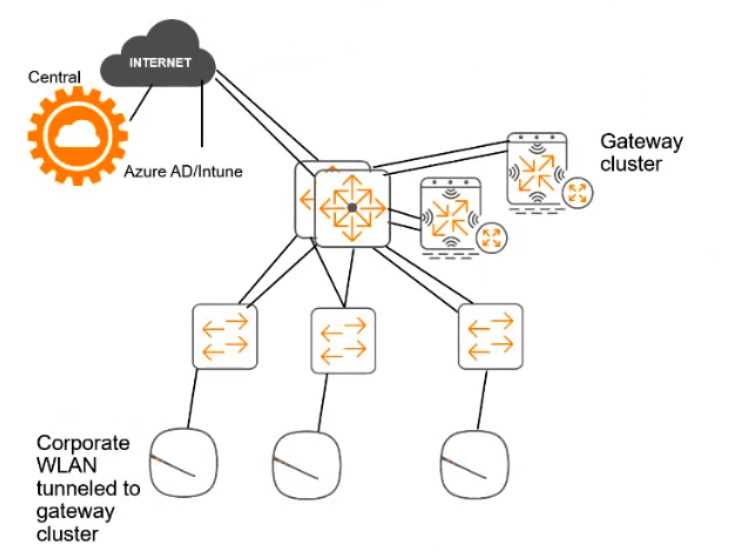 # ClearPass cluster IP addressing and hostnames A customer’s ClearPass cluster has these IP addresses:
Publisher = 10.47.47.5
Subscriber 1 = 10.47.47.6
Subscriber 2 = 10.47.47.7
Virtual IP with Subscriber 1 and Subscriber 2 = 10.47.47.8
The customer’s DNS server has these entries
cp.acnsxtest.com = 10.47.47.5
cps1.acnsxtest.com = 10.47.47.6
cps2.acnsxtest.com = 10.47.47.7
radius.acnsxtest.com = 10.47.47.8
onboard.acnsxtest.com = 10.47.47.8
You have imported the root certificate for the Windows CA to the ClearPass CA Trust list. Which usages should you add to it based on the scenario requirements?
Auth to authenticate non-802.1X capable IoT devices.
What is a prerequisite for setting up the device role mappings?
A customer has an AOS10 architecture that is managed by Aruba Central. Aruba infrastructure
devices authenticate clients to an Aruba ClearPass cluster.
In Aruba Central, you are examining network traffic flows on a wireless IoT device that is categorized
as “Raspberry Pi” clients. You see SSH traffic. You then check several more wireless IoT clients and
see that they are sending SSH also.
You want a fast way to find a list of all the IoT clients that have used SSH.
What step can you take?
Refer to the scenario. # Introduction to the customer You are helping a company add Aruba ClearPass to their network, which uses Aruba network infrastructure devices. The company currently has a Windows domain and Windows C A. The Window CA issues certificates to domain computers, domain users, and servers such as domain controllers. An example of a certificate issued by the Windows CA is shown here. 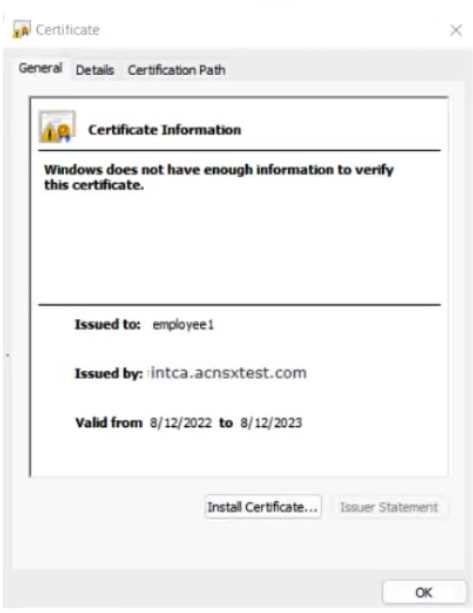
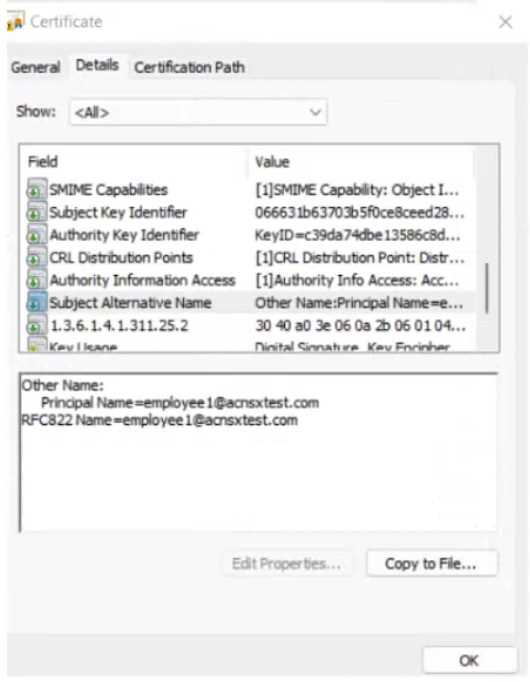 The company is in the process of adding Microsoft Endpoint Manager (Intune) to manage its mobile clients. The customer is maintaining the on-prem AD for now and uses Azure AD Connect to sync with Azure AD. # Requirements for issuing certificates to mobile clients The company wants to use ClearPass Onboard to deploy certificates automatically to mobile clients enrolled in Intune. During this process, Onboard should communicate with Azure AD to validate the clients. High availability should also be provided for this scenario; in other words, clients should be able to get certificates from Subscriber 2 if Subscriber 1 is down. The Intune admins intend to create certificate profiles that include a UPN SAN with the UPN of the user who enrolled the device. # Requirements for authenticating clients The customer requires all types of clients to connect and authenticate on the same corporate SSID. The company wants CPPM to use these authentication methods:
EAP-TLS to authenticate users on mobile clients registered in Intune
TEAR, with EAP-TLS as the inner method to authenticate Windows domain computers and the users
on them
To succeed, EAP-TLS (standalone or as a TEAP method) clients must meet these requirements:
Their certificate is valid and is not revoked, as validated by OCSP
The client’s username matches an account in AD
# Requirements for assigning clients to roles
After authentication, the customer wants the CPPM to assign clients to ClearPass roles based on the
following rules:
Clients with certificates issued by Onboard are assigned the “mobile-onboarded” role
Clients that have passed TEAP Method 1 are assigned the “domain-computer” role
Clients in the AD group “Medical” are assigned the “medical-staff” role
Clients in the AD group “Reception” are assigned to the “reception-staff” role
The customer requires CPPM to assign authenticated clients to AOS firewall roles as follows:
Assign medical staff on mobile-onboarded clients to the “medical-mobile” firewall role
Assign other mobile-onboarded clients to the “mobile-other” firewall role
Assign medical staff on domain computers to the “medical-domain” firewall role
All reception staff on domain computers to the “reception-domain” firewall role
All domain computers with no valid user logged in to the “computer-only” firewall role
Deny other clients access # Other requirements Communications between ClearPass servers and on-prem AD domain controllers must be encrypted. # Network topology For the network infrastructure, this customer has Aruba APs and Aruba gateways, which are managed by Central. APs use tunneled WLANs, which tunnel traffic to the gateway cluster. The customer also has AOS-CX switches that are not managed by Central at this point. 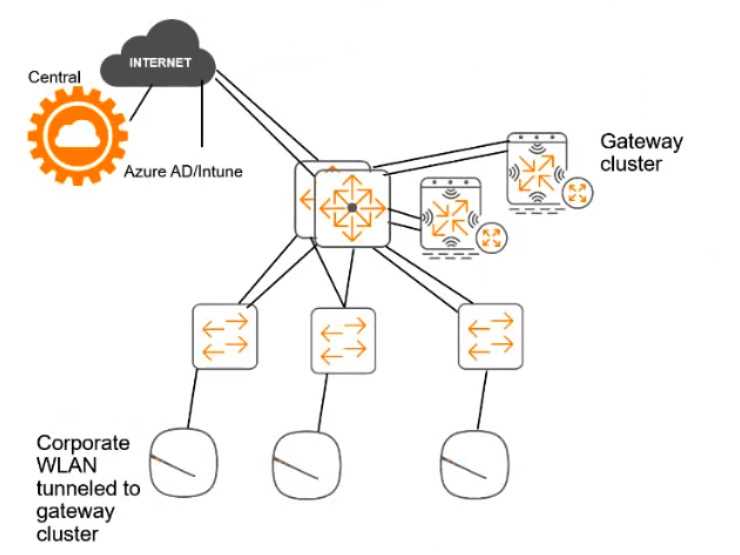 # ClearPass cluster IP addressing and hostnames A customer’s ClearPass cluster has these IP addresses:
Publisher = 10.47.47.5
Subscriber 1 = 10.47.47.6
Subscriber 2 = 10.47.47.7
Virtual IP with Subscriber 1 and Subscriber 2 = 10.47.47.8
The customer’s DNS server has these entries
cp.acnsxtest.com = 10.47.47.5
cps1.acnsxtest.com = 10.47.47.6
cps2.acnsxtest.com = 10.47.47.7
radius.acnsxtest.com = 10.47.47.8
onboard.acnsxtest.com = 10.47.47.8
On CPPM, you are creating the authentication method shown in the exhibit below: You will use the method for standalone EAP-TLS and for inner methods in TEAP. What should you do?
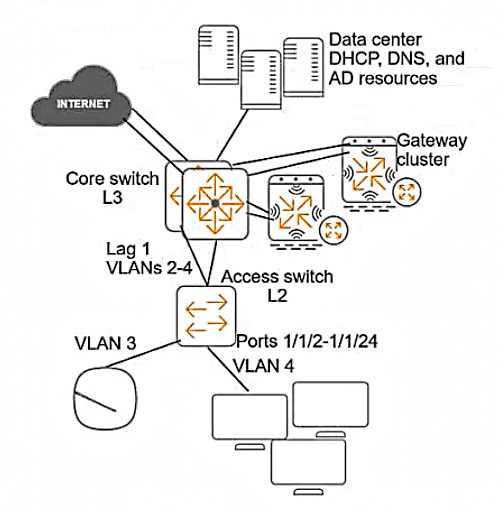
A customer requires protection against ARP poisoning in VLAN 4. Below are listed all settings for
VLAN 4 and the VLAN 4 associated physical interfaces on the AOS-CX access layer switch:
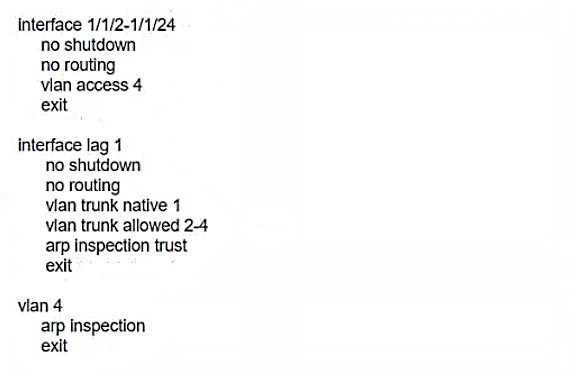
What is one issue with this configuration?
Active Directory as the authentication source. The company wants to prevent users with disabled
accounts from connecting even if those users still have valid certificates.
As the first part of meeting these criteria, what should you do to enable CPPM to determine where
accounts are enabled in AD or not?
WIDS at the high level. They also enabled alerts and email notifications for several events, as shown
in the exhibit.
Admins are complaining that they are getting so many emails that they have to ignore them, so they
are going to turn off all notifications.
What is one step you could recommend trying first?
Refer to the scenario. An organization wants the AOS-CX switch to trigger an alert if its RADIUS server (cp.acnsxtest.local) rejects an unusual number of client authentication requests per hour. After some discussions with other Aruba admins, you are still not sure how many rejections are usual or unusual. You expect that the value could be different on each switch. You are helping the developer understand how to develop an NAE script for this use case. You are helping the developer find the right URI for the monitor. Refer to the exhibit.

You have used the REST API reference interface to submit a test call. The results are shown in the exhibit. Which URI should you give to the developer?
Aruba Central. The customer wants to obtain information about the clients, such as their general
category and OS.
What should you explain?
the customer has a Palo Alto firewall that filters traffic between clients in the campus and the data
center.
Which integration can you suggest?
Refer to the scenario.
A customer has an Aruba ClearPass cluster. The customer has AOS-CX switches that implement 802.1X authentication to ClearPass Policy Manager (CPPM).
Switches are using local port-access policies.
The customer wants to start tunneling wired clients that pass user authentication only to an Aruba gateway cluster. The gateway cluster should assign these clients to the “eth-internet" role. The gateway should also handle assigning clients to their VLAN, which is VLAN 20.
The plan for the enforcement policy and profiles is shown below:

The gateway cluster has two gateways with these IP addresses:
• Gateway 1
o VLAN 4085 (system IP) = 10.20.4.21
o VLAN 20 (users) = 10.20.20.1
o VLAN 4094 (WAN) = 198.51.100.14
• Gateway 2
o VLAN 4085 (system IP) = 10.20.4.22
o VLAN 20 (users) = 10.20.20.2
o VLAN 4094 (WAN) = 198.51.100.12
• VRRP on VLAN 20 = 10.20.20.254
The customer requires high availability for the tunnels between the switches and the gateway cluster. If one gateway falls, the other gateway should take over its tunnels. Also, the switch should be able to discover the gateway cluster regardless of whether one of the gateways is in the cluster.
Assume that you have configured the correct UBT zone and port-access role settings. However, the solution is not working.
What else should you make sure to do?
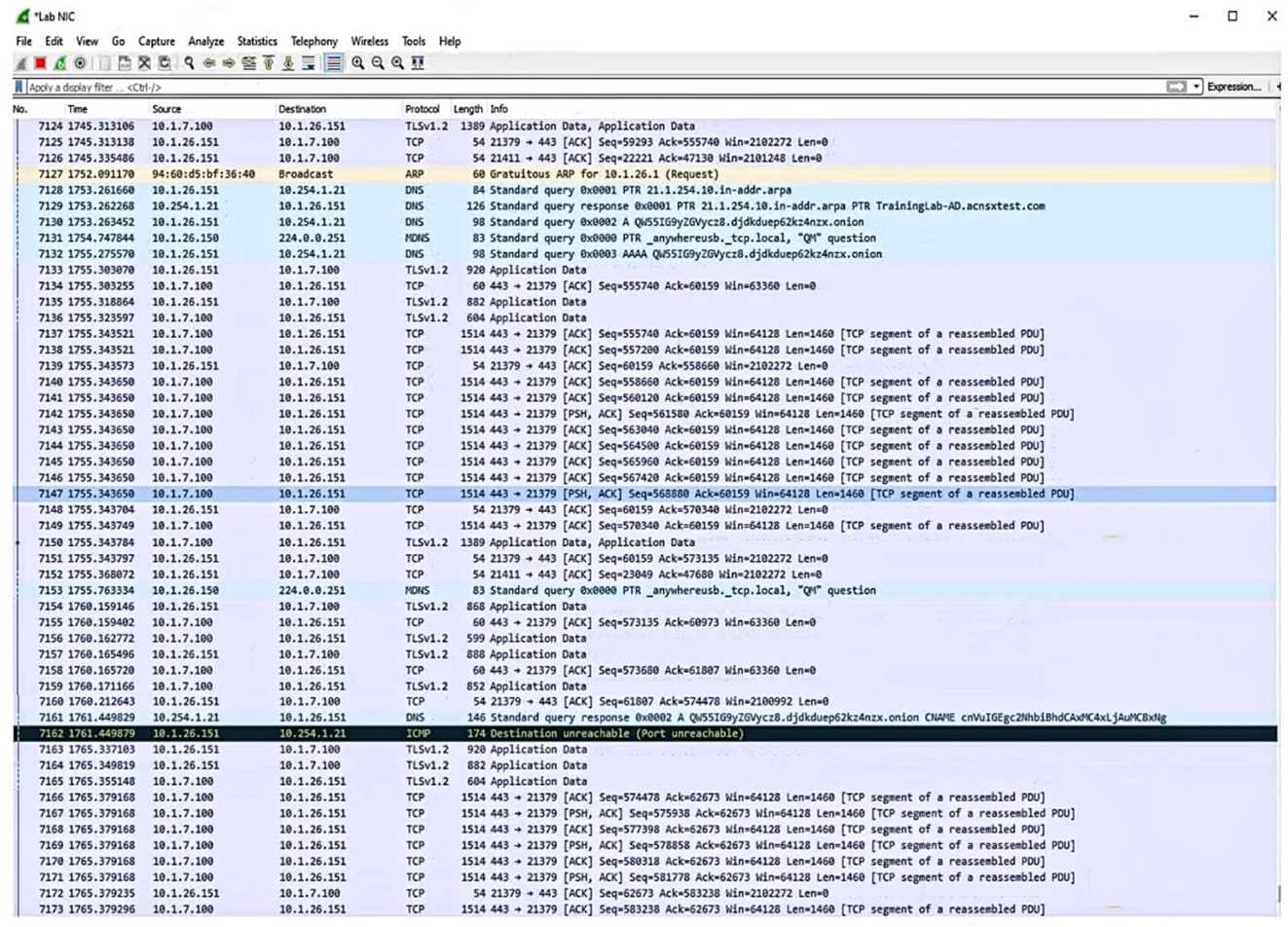
Which security issue is possibly indicated by this traffic capture?