Free Facebook Blueprint 200-101 Actual Exam Questions
Dumps Box (DumpsBox) offers up-to-date practice exam questions for 200-101 certification exam which are developed and validated by Facebook Blueprint subject domain experts certified in Facebook Blueprint 200-101 . These practice questions are update regularly as we keep an eye on any recent changes in 200-101 syllabus, and when there is update our team quickly adjusts the questions. This commitment to providing the best quality exam prep material to certification aspirants is what makes DumpsBox.com the best certification exam prep website. On top of that, our strong, yet strictly moderated, community based feedback keeps the content clean and current. Each question has helpful community discussion that provides it extra perspective and introduces helpful resources for better exam preparation. This also saves students from other outdated practice questions or illicit exam dumps that can have adverse affects on career. Browse through our Facebook Blueprint 200-101 exam questions and pass your exam on first try.
half for all marketing. The media plan was 50% TV spend, with some Facebook (10%), search (10%),
print (10%), and radio (20%).
No solution provides the same numbers for a single point in time. The analyst needs to recommend
how to allocate budget across channels to maximize sales for the next business quarter.
Which measurement solution should be the primary source of the analyst's recommendation?
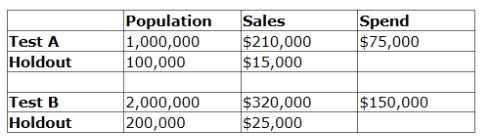
The results are statistically significant. What is the incremental ROAS for each test?
Lift test. They want an always-on attribution solution that allows them to allocate its budget across
publishers on an ongoing basis. The challenge is identifying a model that is as close to their true
business value as possible.
Refer to the following results:
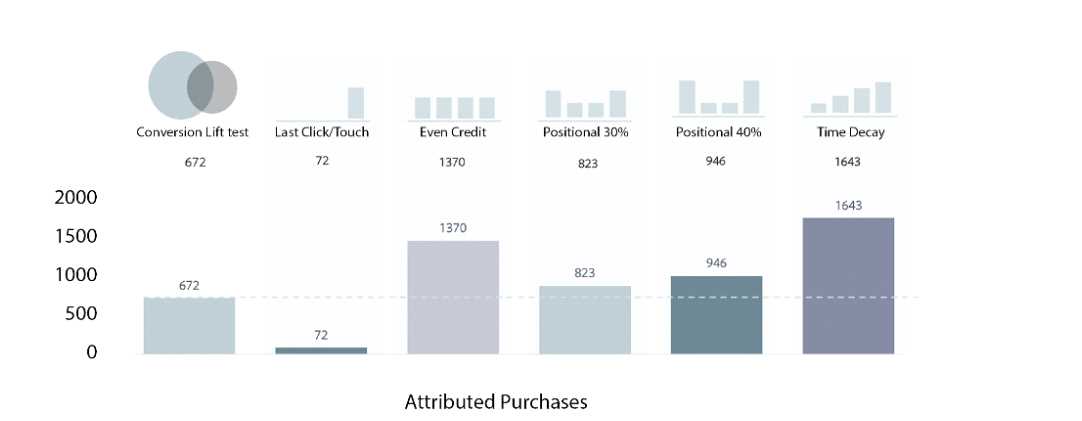
Which Attribution model should the retailer choose?
how many new credit card signups can be attributed to its Facebook campaign. The analyst is
comparing attributed results in Facebook Ads Manager with those in Google Analytics and needs to
explain why these are different.
What are two key differences between the platforms that can provide a reasonable explanation for
this outcome? (Choose 2)
The company serves a variety of videos and static images and only targets people who previously
visited their website. The company historically spends $50,000 per quarter and always hits its ROAS
goal of 3x.
Last quarter, the company aggressively tried to grow its business and tripled spend. At the end of last
quarter, they compared performance between the previous two quarters and noticed the following
differences in performance metrics:
• ROAS decreased by 40%
• Average frequency increased by 50%
• CPMs increased by 60%
• Reach increased by 10%
• Cost per click decreased by 15%
• Allocation of budget between creative formats remained the same
An analyst needs to run a test to identify how to scale spend efficiently. Which variable should the
analyst test first?
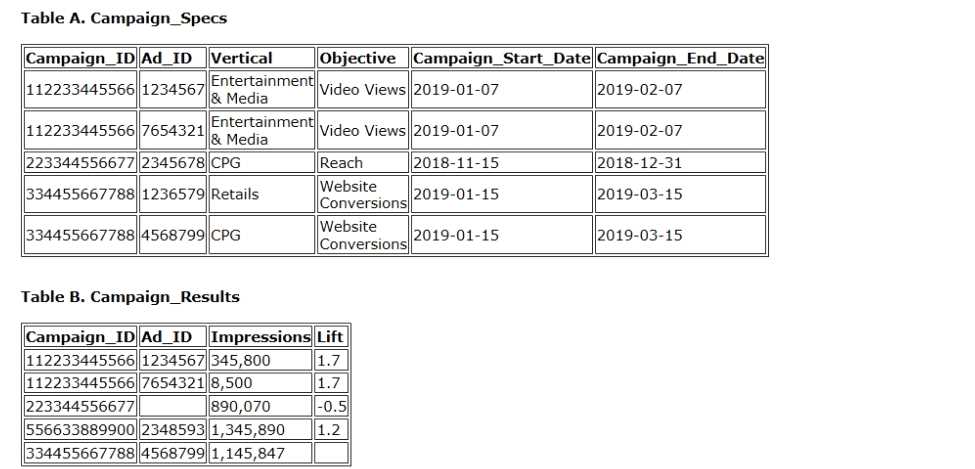
Which type of join should be used to append the campaign results to campaign specs and keep all
records in the campaign specs table?
An ecommerce brand runs a multi-cell Conversion Lift test. The brand needs to determine if bidding in the Facebook auction based on user value calculated from its LTV model versus demographic targeting improves performance by 10%. The p-value for the test is calculated as p = 0.95. How should the analyst interpret bidding based on user value?
its budget to Facebook ads. Its costumes sell for S45 or less. The brand ran an account level
Conversion Lift to measure the proportion of sales generated by Facebook.
To reduce negative business impact, it chooses to run the test during its off-peak season. The test ran
for two weeks, with a campaign budget of S5,000. From the internal sales data, it sees that a total of
70 purchases were made during the test period.
The results:
• Lift in view content: 27%
• Lift in add to cart: 15%
• Lift in purchases: Flat / No results available
• Cost per incremental add to cart: S56
What two conclusions could the advertiser draw based on the results? (Choose 2)
response strategies, as opposed to combining each strategy with branding campaigns. The company
continuously keeps track of each strategy's performance, but it measures them separately. Also, each
strategy's measurement has its own KPI. These are the latest results:
• Branding campaigns:
• A benchmark of 35 Brand Lift tests, SI.70 USD per additional ad recaller
• An average of 125 conversions per campaign
• Direct response campaigns:
; A benchmark of 20 Lift tests, $2.50 USD per Conversion Lift - An average of 370 conversions per
campaign
What should the company do to test if it gets more incremental conversions from relying only on
direct response strategies?
snack lovers, gamers, and millennials. The test results are as follows:
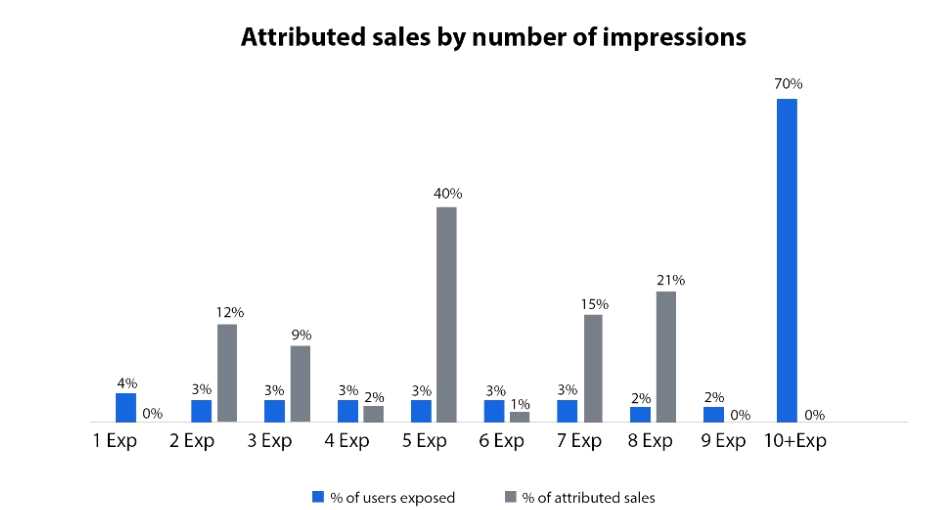
What should the company test using experimental design to improve efficiency in number of
exposures?
four-week broadly targeted digital campaign was launched across Facebook, YouTube, display and
programmatic video to promote the recent changes. The client is interested in determining high-
performing conversion paths to develop a sequencing strategy moving forward.
What measurement approach should be used to determine the success of the campaign?
cross-screen experience on TV and Facebook. The brand launches its campaign in 30-second and 60-
second TV spots and then launches 6- and 15-second mobile-friendly videos with captions. The brand
runs a Facebook multi-cell Conversion Lift test to compare the effectiveness of the two mobile
videos:
• Cell A: 50% of campaign budget, optimized for purchase event, 6-second video
• Cell B: 50% of campaign budget, optimized for purchase event, 15-second video
At the end of the campaign, Cell A yields a 4-point lift with a p-value = 0.4. Cell B yields a 2.6-point lift
with a p-value = 0.05
Which recommendation should be made to increase future purchases?
channels, like TV and online publishers. The advertiser runs a digita deep dive marketing mix
modeling.
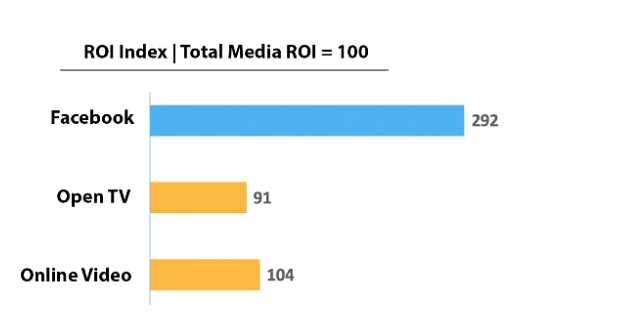
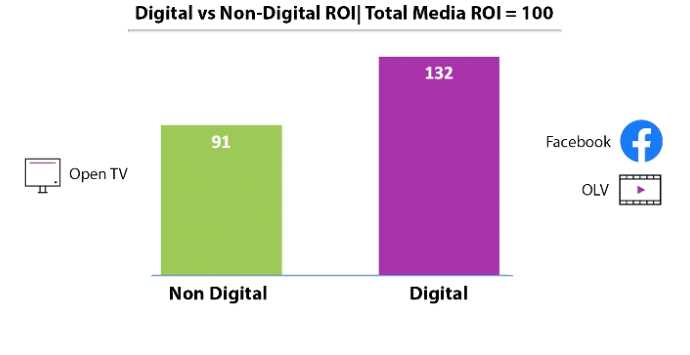
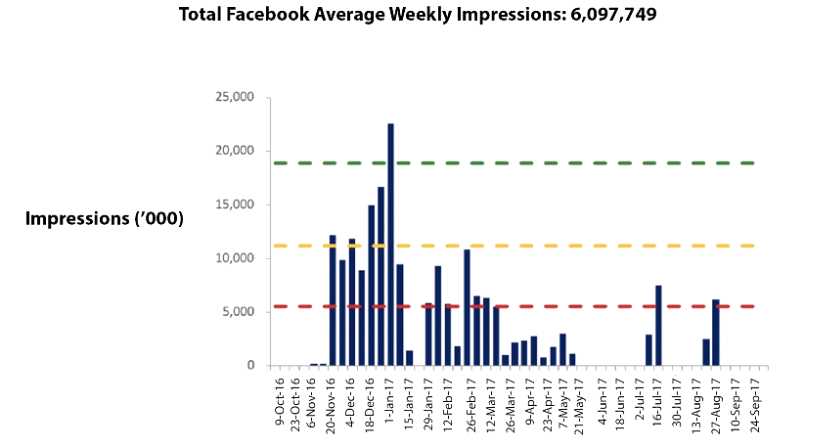
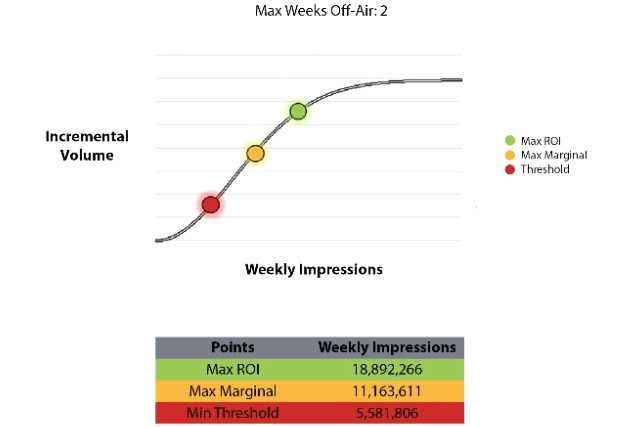
Refer to information from the test:
customers who had purchased from the advertiser in the past year. Of the 10 million customers
targeted, 3 million were reached. The average frequency for the campaign was three impressions
over the month. The advertiser spent $100,000 on this media buy.
After the campaign, an analyst from the media platform noticed that customers who received six or
more impressions were twice as likely to purchase than those who received three or fewer
impressions. To increase the number of users who receive six or more impressions, the analyst
recommends that the advertiser double their spend. The goal is to increase the frequency from three
to six in order to drive a significant increase in incremental return on ad spend.
What primary concern should the advertiser's in-house measurement team have about this
conclusion?
determine if it should have separate ad sets targeting different pet interest groups or consolidate all
interest groups into one ad set.
The brand sets up a multi-cell Conversion Lift test for one month. At the end of the test, no results
are available to review, due to insufficient statistical power.
Which two approaches should the analyst recommend? (Choose 2)