Free Dell-EMC D-DS-FN-23 Actual Exam Questions
Dumps Box (DumpsBox) offers up-to-date practice exam questions for D-DS-FN-23 certification exam which are developed and validated by DELL subject domain experts certified in Dell-EMC D-DS-FN-23 . These practice questions are update regularly as we keep an eye on any recent changes in D-DS-FN-23 syllabus, and when there is update our team quickly adjusts the questions. This commitment to providing the best quality exam prep material to certification aspirants is what makes DumpsBox.com the best certification exam prep website. On top of that, our strong, yet strictly moderated, community based feedback keeps the content clean and current. Each question has helpful community discussion that provides it extra perspective and introduces helpful resources for better exam preparation. This also saves students from other outdated practice questions or illicit exam dumps that can have adverse affects on career. Browse through our Dell-EMC D-DS-FN-23 exam questions and pass your exam on first try.
product. The GROUP BY clause implies what type of function?
that you expected. What should you do?
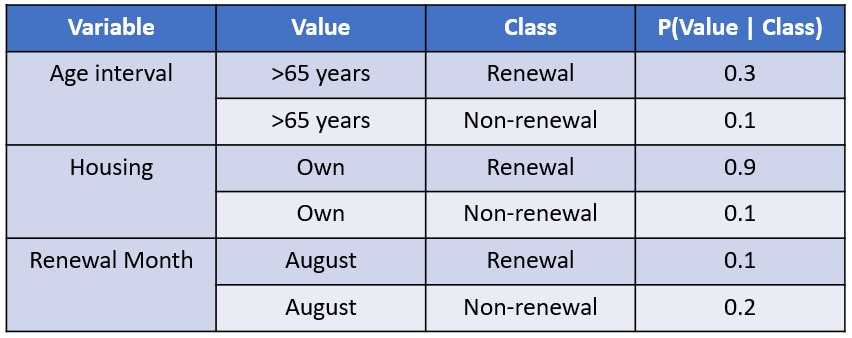
Refer to the exhibit.
To predict whether or not a customer will renew their annual property insurance policy, an insurance
company built and operationalized a naïve Bayes classification model. In the model, there are two
class labels, renewal and non-renewal, that are assigned to each customer based on their attributes.
A subset of the key attributes, their values, and corresponding conditional probabilities are provided
in the exhibit.
A customer has the following attributes:
● Age is greater than 65 years
● Owns their own home
● Renewal month is August
If 20% of customers do not renew the police every year, what is the score for a renewal in the naïve
Bayesian model for the customer described above?
DRAG DROP Match each task to its description. 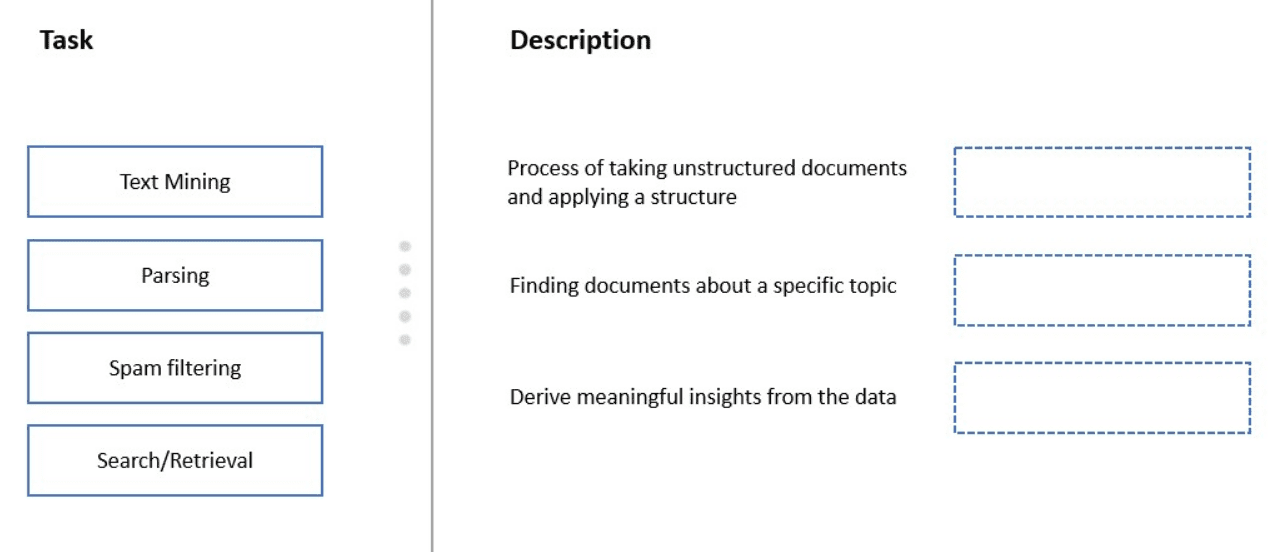
on a credit loan. A threshold value of 0.3 is selected. Which statement can be used to predict a
borrower will default?
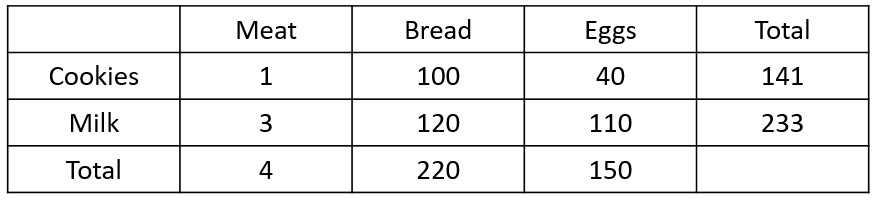
Refer to the exhibit, which shows pairwise counts for items purchased together.
Consider the following association rule: Milk -> Eggs
What is value of the lift?